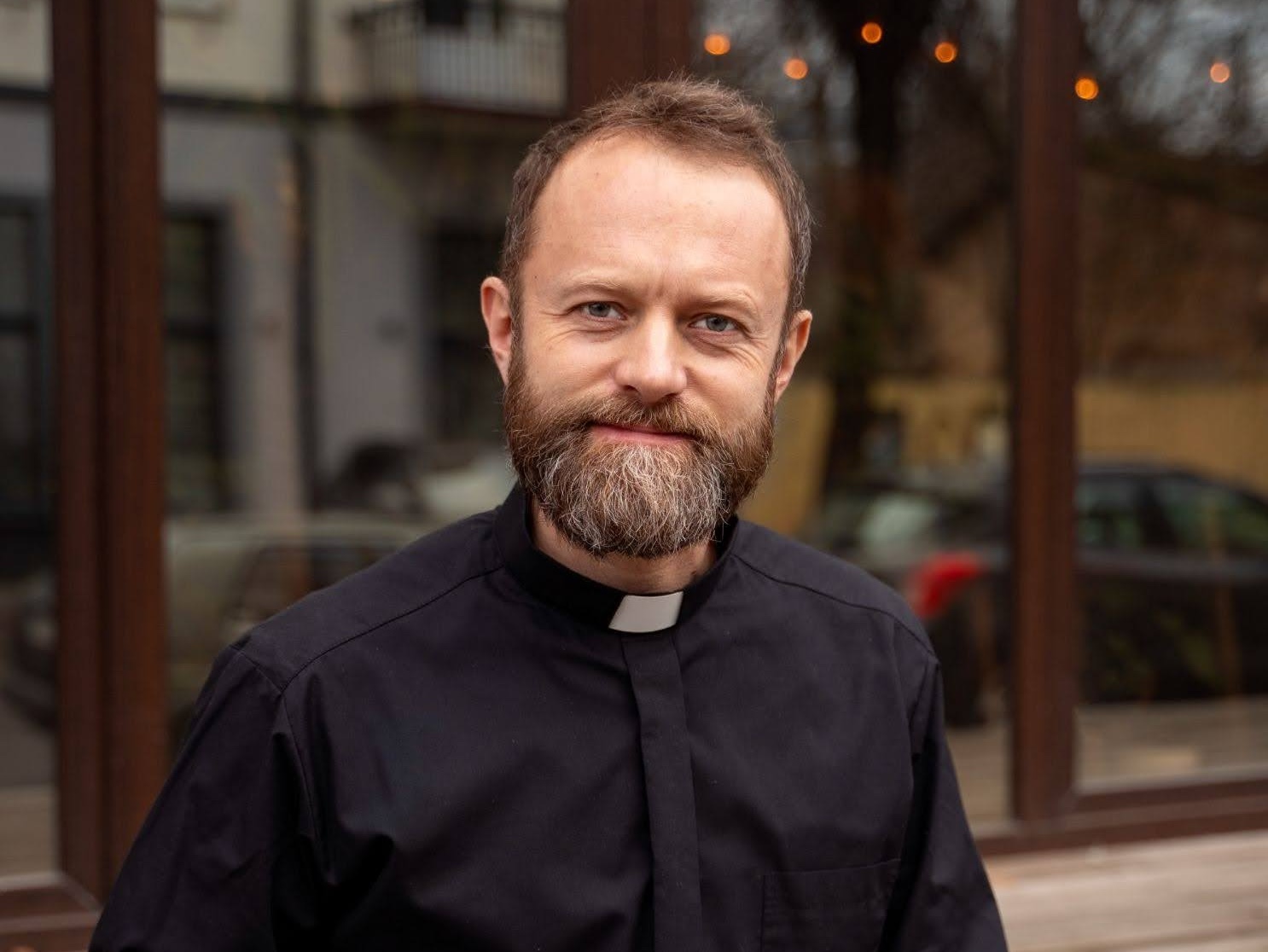
Ordination day feels like an arrival. Years of study, formation, and waiting come to a head, and a new minister steps out ready to do the work they trained for.
Then the first week begins, and the gap shows up almost immediately.
Seminary teaches theology, exegesis, church history, and the craft of a sermon. What it tends to skip is the texture of an ordinary Tuesday: three visits, a funeral to plan, a leadership email thread that will not resolve itself, and a phone that rings while dinner goes cold. None of that appears on a syllabus, yet it makes up the bulk of the job.
A first year in ministry is largely an education in everything the classroom left out. Among the smaller surprises is how much the practical side matters, right down to the clergy shirt you reach for at six in the morning and are still wearing at nine at night. New ministers learn quickly that comfort and durability are not vanity. They are part of staying steady through a day that refuses to slow down.
Preaching Is the Part You Were Ready For
Standing in the pulpit is the role most clearly handed over during training, and for good reason. It is visible, it is teachable, and it sits at the center of how a congregation experiences its minister.
So the surprise is rarely the preaching itself. A new minister has usually written, delivered, and dissected enough sermons to feel at home there. The shock comes from how small a slice of the week that hour represents, and how much else has to happen around it before Sunday arrives.
The Schedule Keeps No Office Hours
Few things catch a newly ordained minister off guard like the rhythm of the calendar. Ministry does not clock off, and the work arrives on its own timetable rather than yours.
Visits Stack Faster Than You Expect
Pastoral visiting sounds gentle on paper. In practice, one bedside leads to a phone call, which leads to a home that needs checking on, which runs into an appointment already booked across town. Hours disappear into hospital parking lots and unfamiliar living rooms, and a new minister learns to carry calm into every one of them.
The Hardest Calls Come Late
Crisis rarely respects a working day. A death, an accident, a family falling apart, all of it can land long after the lights are off at the church. Answering well at eleven at night, then leading a service at nine the next morning, is a skill nobody really warns you about until you are living it.
Administration Quietly Eats the Week
Budgets, safeguarding, rotas, meeting minutes, and a steady stream of email fill the spaces between the visible work. It is the least romantic part of the role and one of the most time-consuming, and new ministers are often stunned by how much of their week it claims.
Your Body Keeps the Score Before Your Diary Does
Here is something training cannot simulate: the sheer physical load of the job.
Ministry is spent upright and on the move. Walking wards, standing through long services, crouching at a graveside, driving between commitments, then standing again to greet people who have waited all week to talk. Tiredness creeps in through the feet and the lower back long before it shows up in the diary, and the first winter of back-to-back services tends to teach that lesson properly.
Clothing turns out to matter more than any seminary would suggest. A shirt that traps heat, wrinkles by noon, or pulls tight across the shoulders becomes a small, constant drain across a fourteen-hour day. Multiply that by a week, then a month, and the effect is real.
Building a Working Wardrobe Worth Keeping
Much of the practical kit a new minister gathers in year one is learned through trial and error. The good torch for evening visits. The bag that holds an order of service, a Bible, and a flask without falling apart. And, near the top of the list once the novelty wears off, clothing built for the actual day rather than the photograph.
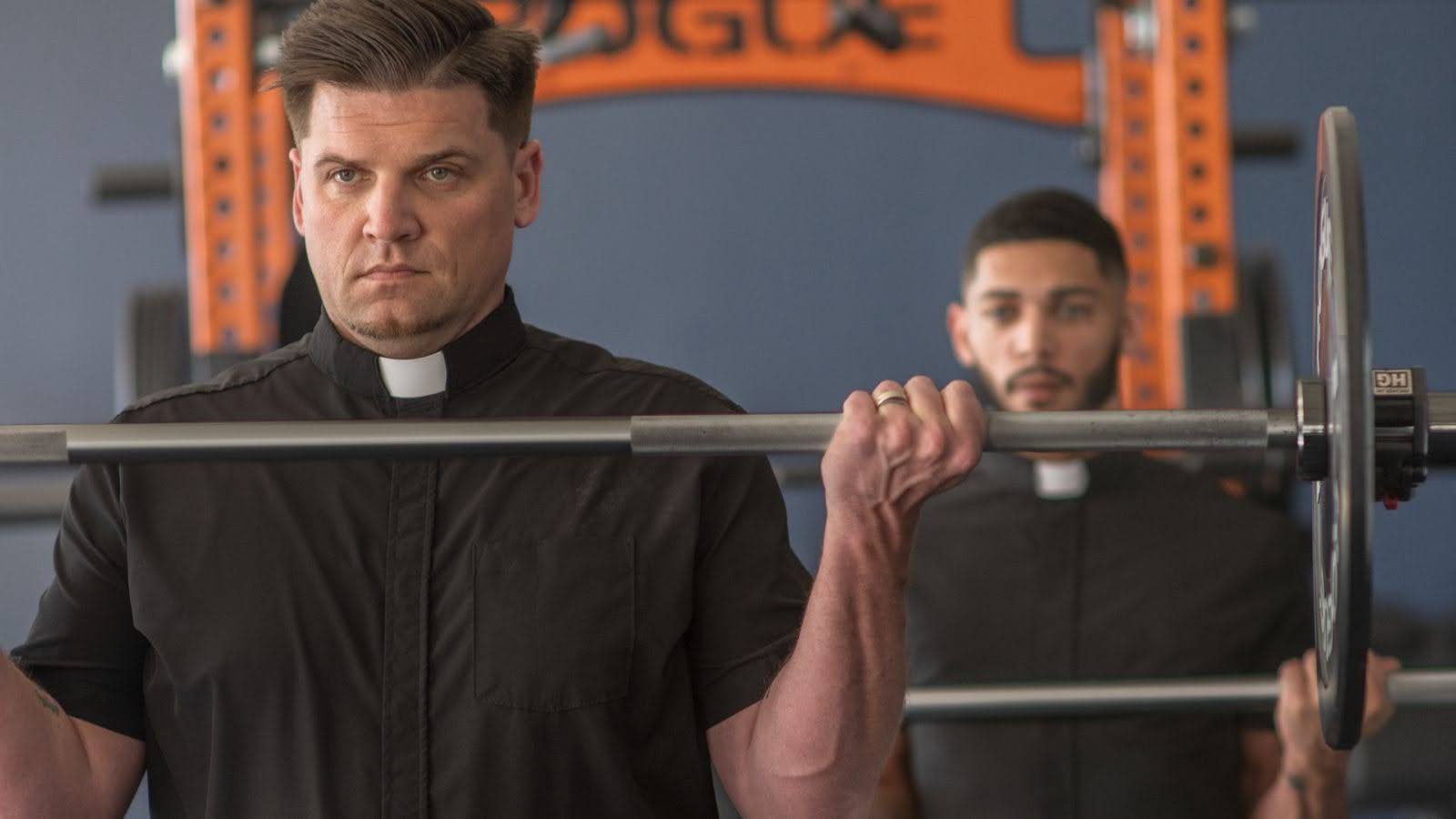
Older clergy shirts were rarely designed for any of this. Heavy cotton and stiff polyester held a crease in the morning and surrendered it by lunch, and they did little to help a minister stay cool through a packed sanctuary or a summer funeral. Performance fabric has reset that standard. Moisture-wicking material, four-way stretch, and a finish that shrugs off wrinkles let a minister move freely and look composed from the first appointment to the last.
Brands like Wicking Vicar build their shirts around precisely that working day, marrying a traditional clerical look with fabric closer to athletic wear than to formal tailoring. For someone learning the pace of ministry for the first time, a shirt that simply gets out of the way is worth more than it sounds. It is one less thing to think about on a day already full of things that matter far more.
Conclusion
No one finishes their first year unchanged. The role is wider, heavier, and more human than the curriculum ever let on, and most ministers look back amazed at how much they learned by simply doing it.
Seminary gives you the foundation, and that foundation holds. What the early years add is everything the classroom could not: the stamina, the boundaries, the small practical choices, and the slow understanding that ministry is lived in the ordinary days far more than in the headline moments.
For anyone stepping into that first year, the advice from those a little further down the road tends to be the same. Look after the people, look after your time, and look after yourself, right down to the clothes that have to carry you through it.